
Use and Benefits of AR and VR Technologies in E-commerce
Augmented Reality (AR) und Virtual Reality (VR)-Technologien haben die Türen zu einer bahnbrechenden Transformation in der E-Commerce-Welt in jüngster…
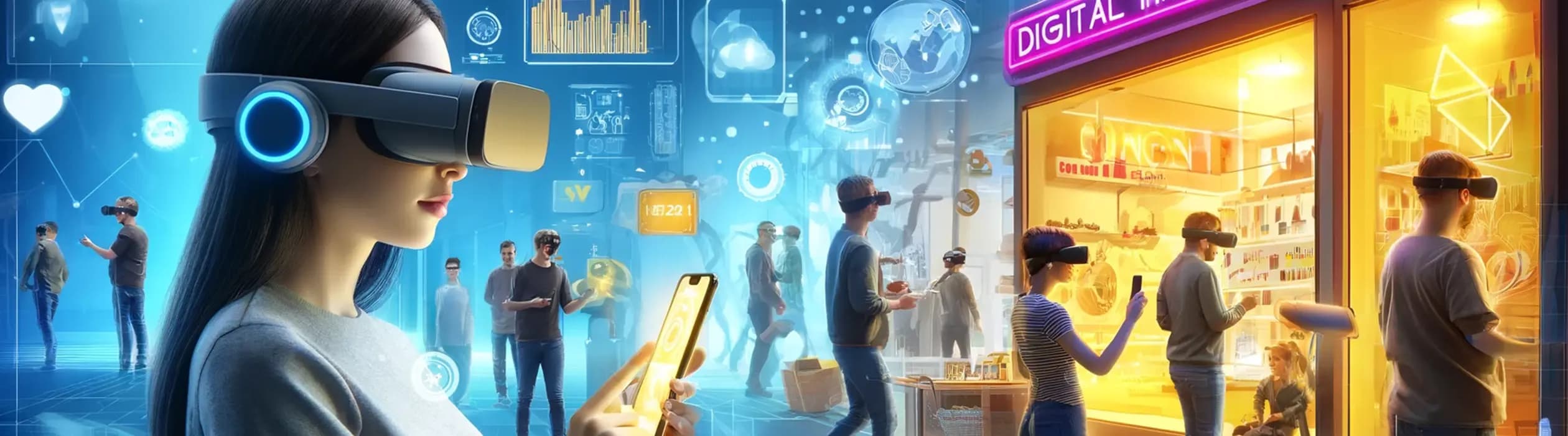
Short answer: AR and VR in e-commerce let online shoppers examine and try products before buying: augmented reality adds digital layers to the real world, while virtual reality places users in a fully digital store. Both improve the online shop experience, support more confident purchases and help reduce return rates.
Augmented Reality (AR) and Virtual Reality (VR) technologies have opened the doors to a groundbreaking transformation in the e-commerce world in recent years. These technologies, which radically change the shopping experience of customers, offer visitors to online stores the opportunity to touch, examine and even try products as if they were in a physical store.
What are AR and VR? Why is it so important in e-commerce?
- Augmented Reality (AR): It is a technology that combines the physical and virtual world by adding digital layers on top of the real world. In e-commerce, AR allows customers to visualize products in their own environment, try on furniture at home, or virtually see clothes on.
- Virtual Reality (VR): It is a technology that transports users to a completely virtual environment and provides an immersive experience. VR in e-commerce allows customers to browse virtual stores, examine products in 360 degrees, and participate in interactive product demos.
Use of AR and VR Technologies in E-commerce
Applications of AR Technology in E-commerce: Augmented reality allows users to merge digital information with the physical world. In e-commerce, AR enables digital display of products. For example, before a customer buys furniture, he can see how the product will look in his home thanks to AR applications. This improves customer experience and makes purchasing decisions easier.
Applications of VR Technology in E-commerce: Virtual reality transports users to a completely digital environment. In e-commerce, VR gives customers the ability to examine products in a more comprehensive way. For example, a customer can navigate a virtual store and examine products in three dimensions. Especially in the fashion and clothing industry, this allows customers to experience products as if they were trying them on in real life.
Advantages of AR and VR Technologies
- Improved Customer Experience: AR and VR technologies offer customers a more interactive and personalised shopping experience. Thanks to these technologies, customers can see how products will look or work before purchasing them. This increases customer satisfaction and reduces return rates.
- Increased Customer Engagement: AR and VR make the shopping experience more engaging by giving customers the opportunity to get to know and interact with products better.
>
- Increased Sales and Conversion Rates: AR and VR applications help customers better understand and trust products. This speeds up purchasing decisions and increases conversion rates. Additionally, these technologies strengthen customer loyalty.
- Competitive Advantage: E-commerce businesses that adopt AR and VR technologies gain an advantage over their competitors. Providing an innovative shopping experience increases the brand's reputation and strengthens customer loyalty. Businesses that adopt these technologies early can become leaders in the market.
- More Conscious Purchasing Decisions: Customers can make more informed purchasing decisions by experiencing products virtually.
- Decreasing Return Rates: The opportunity to experience products in advance helps meet customer expectations and reduces return rates.
The Future of AR and VR Technologies
- Technological developments: AR and VR technologies are constantly evolving and becoming more accessible. Thanks to advanced hardware and software, these technologies will become more widespread and used more in e-commerce.
- Inclusive Shopping Experience: In the future, thanks to AR and VR technologies, customers will experience a completely personalised and immersive shopping experience. For example, customers will be able to browse virtual stores, try on products virtually, and even interact with virtual assistants.
E-commerce of the Future: AR and VR Technologies
AR and VR improve customer experience, increase sales and provide competitive advantage. It is clear that these technologies will become more widespread in the future and will become an indispensable part of e-commerce. Therefore, adopting AR and VR technologies for e-commerce businesses will be an important step towards lasting success.
Frequently Asked Questions
How is virtual reality used in e-commerce?
Virtual reality in e-commerce transports customers into a fully digital environment where they can browse virtual stores, examine products in three dimensions and join interactive product demos. In fashion and clothing, it lets customers experience products almost as if they were trying them on in real life.
What is the difference between AR and VR in e-commerce?
AR adds digital layers to the customer's real surroundings, for example showing how furniture will look at home. VR replaces those surroundings with a completely virtual environment, such as a virtual store. Both technologies also have uses across digital marketing, well beyond the product page.
What are the benefits of AR for e-commerce?
AR benefits e-commerce by letting customers see products in their own environment before buying. That makes decisions easier and better informed, increases engagement and conversions, and lowers returns because the product meets expectations. It also gives early adopters a competitive advantage through an innovative shopping experience.
Should an online store adopt AR and VR?
An online store should consider AR and VR when customers need to see or try products before deciding, as with furniture or fashion. These technologies are becoming more accessible as hardware and software advance. If you want your store assessed, Pumpmedya reviews it and prepares the next steps for you.
Your site may look great. Does it actually work?
PumpAudit scans your site across 10 layers and 95 checks: speed, SEO, AI visibility, security, email and conversion. Your score is free and takes a minute or two.